


Dried Fruit
What is dried fruit? Dried fruit is a product made by removing the moisture from fruits, while retaining their nutritional properties, flavor, and aroma. These products are available in various forms, including dried slices, small pieces, or even whole fruits.

Types of dried fruit
What you will read on this page
ToggleTraditional dried fruits: Such as raisins, dates, figs, and plums, which are typically dried naturally in the sun.
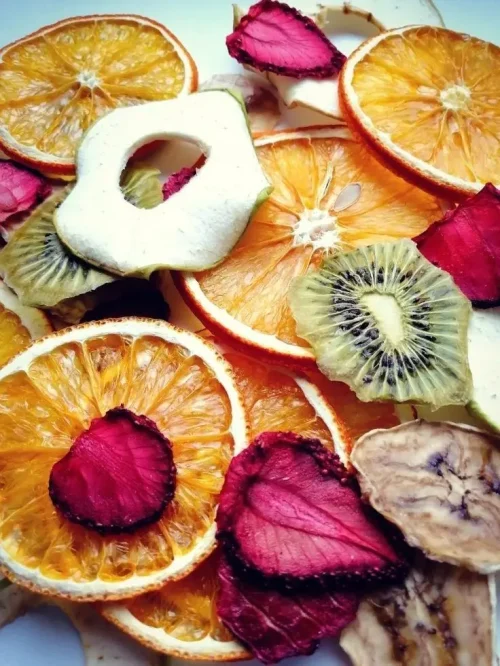
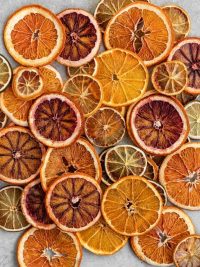
Industrial dried fruits: Fruits like bananas, apples, oranges, pineapples, strawberries, and kiwis, which are produced using modern methods such as industrial dryers.
Benefits of consuming dried fruit
Dried fruits are rich in vitamins, fiber, and antioxidants.
Long shelf life:
Due to moisture removal, they have a long shelf life and can be used in all seasons.
Convenience in transport and consumption:
Their lightweight and small size make them ideal for consumption during travel, at work, or while exercising.
Versatility in use:
Dried fruits can be used in cake, dessert, salad, and snack recipes.

Methods of producing dried fruit
Traditional drying:
Using sunlight or airflow.
Advantage: Low cost.
Disadvantages: Slow process and risk of contamination.Industrial drying:
Using drying machines such as tunnel, cabinet, or freeze dryers.
Advantage: Consistent quality, fast process.
Disadvantages: Requires equipment and high initial costs.
Steps of industrial dried fruit production
Selection and Washing of Fruit:
The fruits must be completely healthy and fresh.Peeling and Cutting:
Depending on the type of fruit, it should be sliced or cut into pieces.Drying Process:
Moisture reduction is achieved using industrial machines.Packaging:
Use hygienic and attractive packaging to maintain quality and enhance shelf life.
Hygienic Tips in Dried Fruit Production:
Raw Material Selection:
Ensure that only fresh, healthy, and ripe fruits are used, free from any contamination.Sanitization of Equipment:
Regularly clean and sanitize all equipment, including cutting tools, drying machines, and storage containers.Proper Handling:
Staff should follow strict hygiene protocols, including wearing gloves, masks, and hairnets to prevent contamination.Water Quality:
Use clean, potable water for washing fruits and during any processing steps to avoid contamination.Storage Conditions:
Store dried fruits in cool, dry environments, protected from pests and exposure to moisture.Quality Control:
Perform regular inspections during processing to ensure that fruits are not spoiled or infected with mold or bacteria.Packaging:
Use hygienic, food-safe, and sealed packaging materials to protect the dried fruits from contamination after processing.
Dried Fruit Export:
Iran is one of the largest producers of dried fruits in the world, and its products are exported to many countries. Some of the exported products include raisins, dried apricots, dried dates, and various types of fruit chips.
Export Process:
Market Research:
Identifying target markets such as Europe, Asia, and Arab countries.Obtaining Permits:
Securing necessary permits such as health certificates, standard certifications, and export licenses.Pricing:
Ensuring competitive pricing and quality packaging to attract customers.Shipping the Product:
Adhering to shipping guidelines and using appropriate packaging to maintain product quality during transportation.
Advantages of Exporting Dried Fruit from Iran:
High-Quality Products:
Iran produces some of the finest dried fruits, such as dates, raisins, and apricots, known for their superior quality and flavor.Large Variety of Fruits:
Iran offers a wide range of dried fruit varieties, catering to diverse consumer preferences across global markets.Cost-Effectiveness:
Due to favorable climatic conditions and lower production costs, Iranian dried fruit is competitively priced in the international market.Growing Global Demand:
The demand for healthy snacks, including dried fruits, is increasing globally, providing a steady market for Iranian exports.Established Export Network:
Iran has established trade relationships and export channels with many countries, making it easier to access new markets.Nutritional Benefits:
Dried fruits from Iran are rich in nutrients like vitamins, minerals, and fiber, making them an attractive option for health-conscious consumers worldwide.Long Shelf Life:
Dried fruits have a long shelf life, making them easy to export over long distances without the risk of spoilage, reducing wastage.Supportive Government Policies:
Iran’s government offers incentives and support for the agriculture and export sectors, facilitating easier access to international markets.Sustainability:
Dried fruit production in Iran is relatively sustainable, relying on local agricultural resources and practices that are environmentally friendly.
Challenges of Dried Fruit Export:
- Lack of sufficient awareness of international standards.
- The need for attractive packaging that aligns with the target market.
- Intense competition with other global producers.
Dried fruit is a healthy and popular product with a strong market both domestically and internationally. By following hygiene principles in production, using modern packaging, and implementing targeted marketing, high profitability can be achieved in this industry.
Novin Atra; Supplier of Quality Iranian Dried Fruit
At Novin Atra, we focus on quality, health, and proper packaging to supply the best dried fruits from Iran for both domestic and international markets. For orders and export cooperation, feel free to contact us.